Production sound, supervision, and cinematic sound mixing in Colombia and abroad.
From the set to the final mix. Alone or coordinating a team. In projects just getting started or productions arriving at post with complex material. What changes is the moment — the criteria stays the same.
01 —Production Sound Mixing
There are no second takes on set sound.
I run the sound department on set: sound cart operation, technical team coordination, and real-time decisions on coverage, quality, and recording strategy.
I work in narrative and documentary, on controlled sets and in the field. Depending on the project, I operate with my own kit or integrate into the production team. What doesn’t change is the approach: record what the edit is going to need, not what seems sufficient in the moment.
I have recorded in Colombia, Dominican Republic, and Cuba, in conditions ranging from the studio to locations with no acoustic control whatsoever.
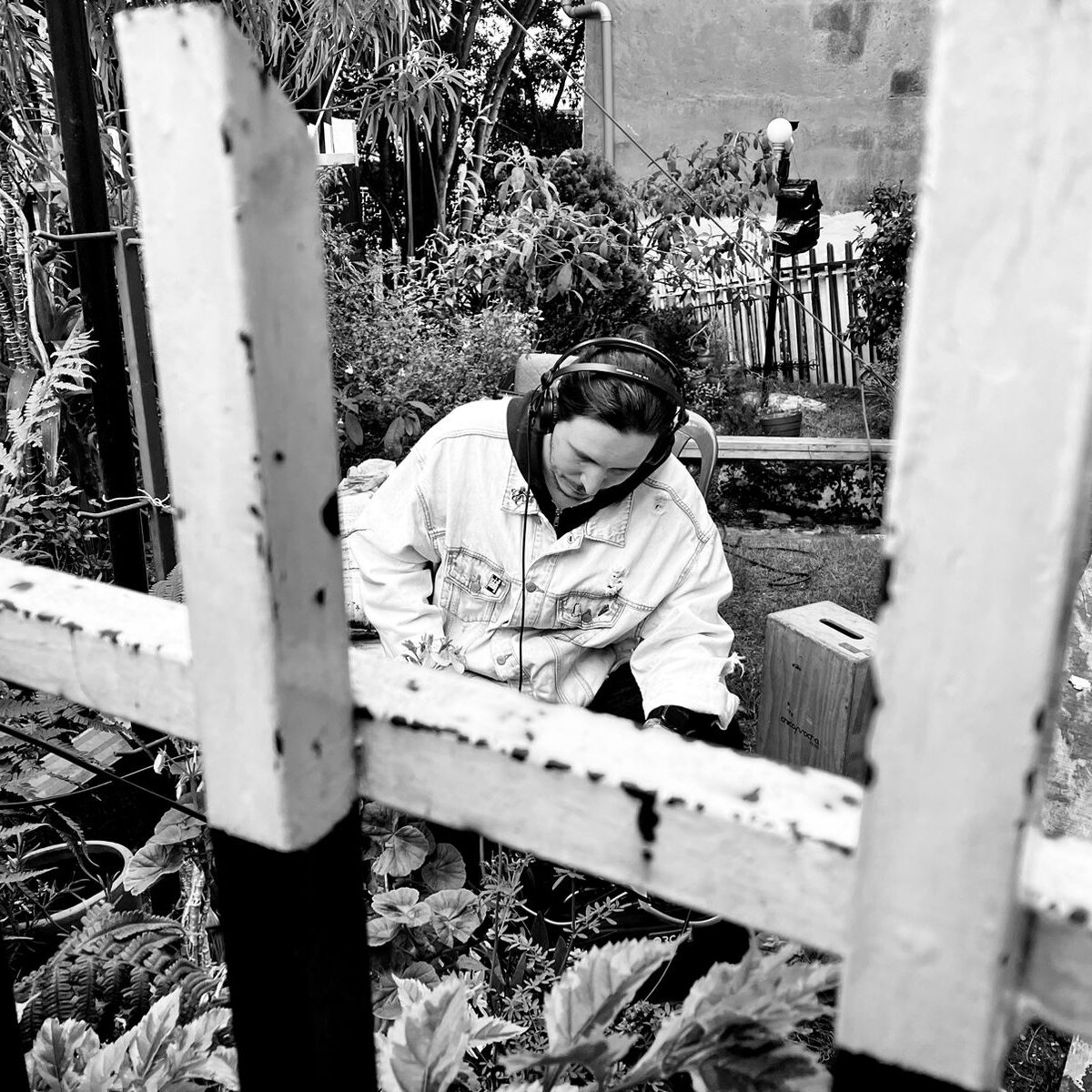
Photo by Nicolás Ordoñez during the filming of El Último Paloseco, 2023.
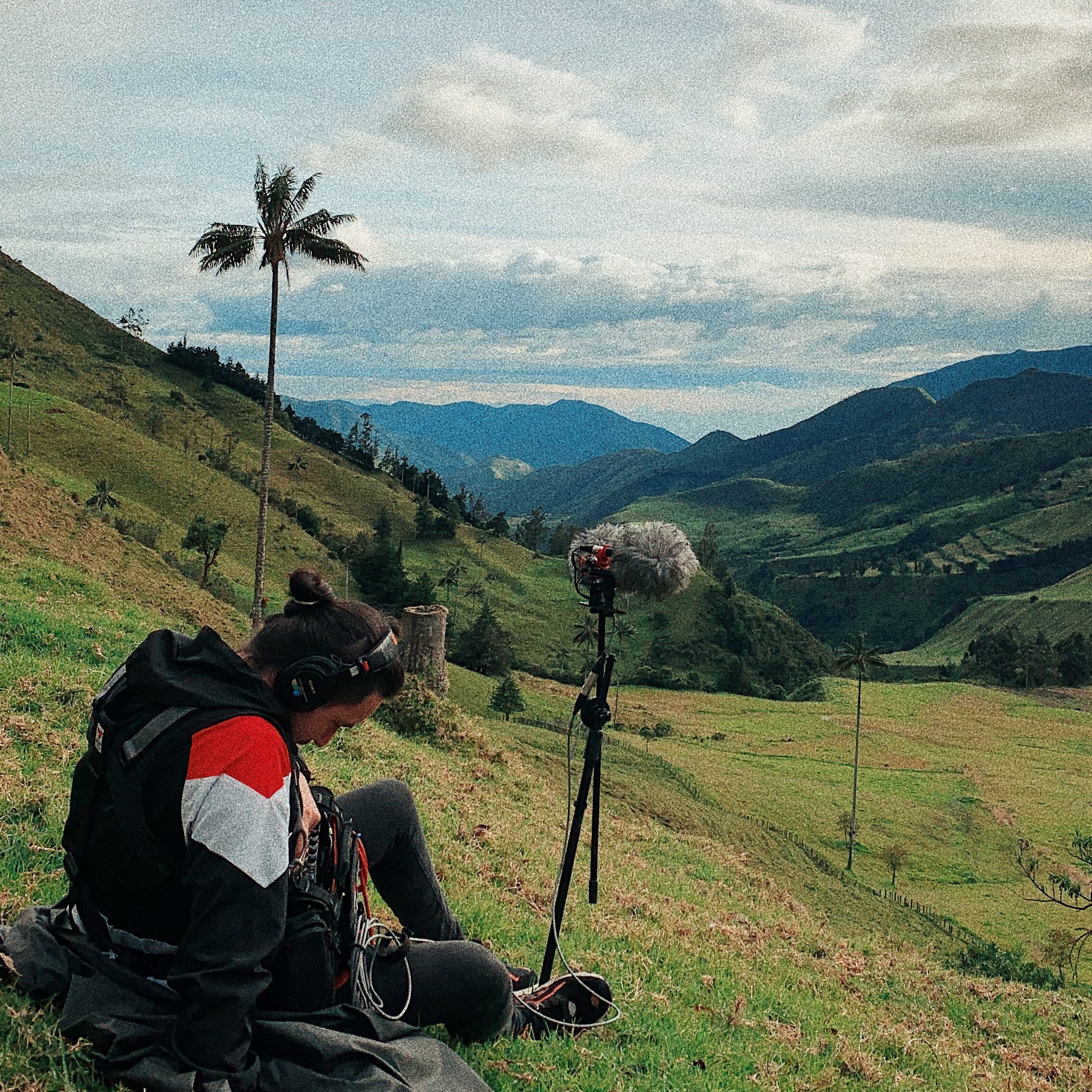
Field recording and ambience gathering during the filming of Los García, 2022.
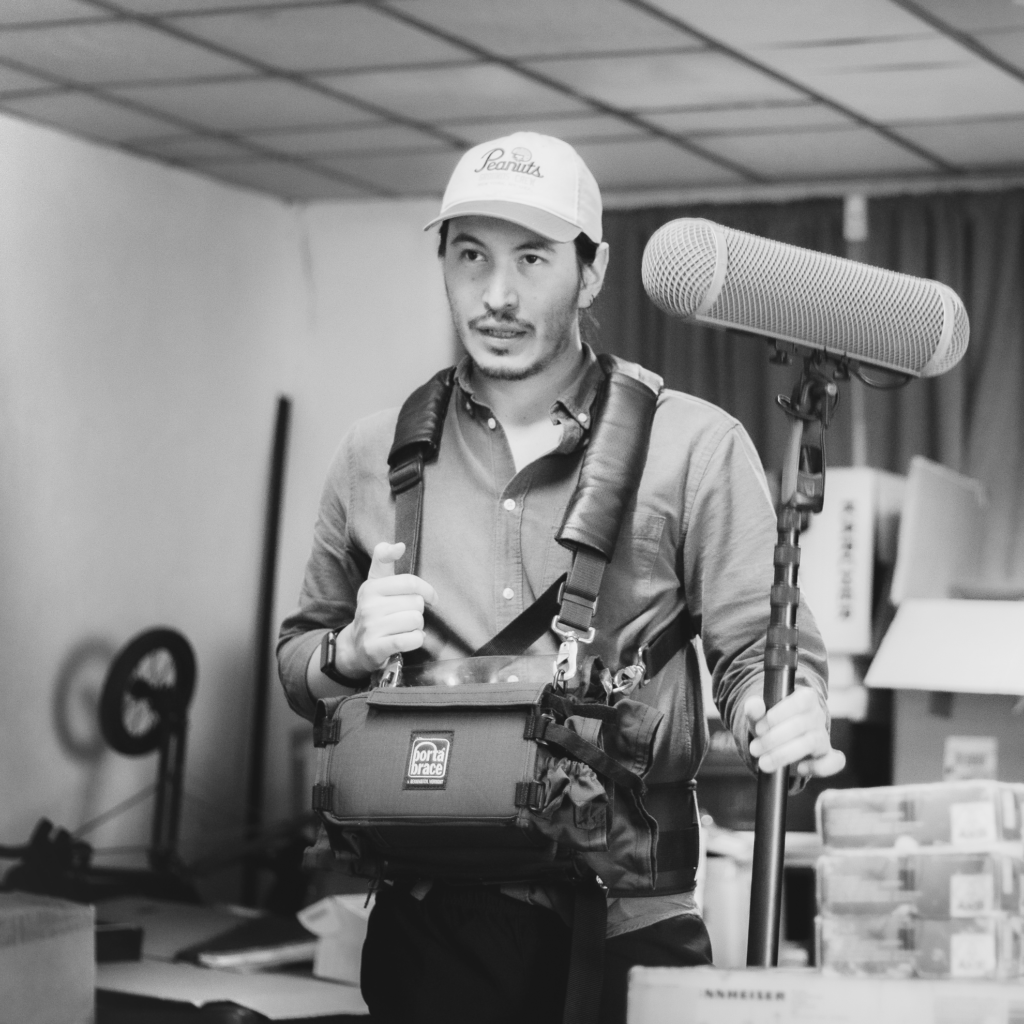
Angel Alonso Sarmiento during location sound recording. Photo by Yoha Wu, Cabañas (2025).
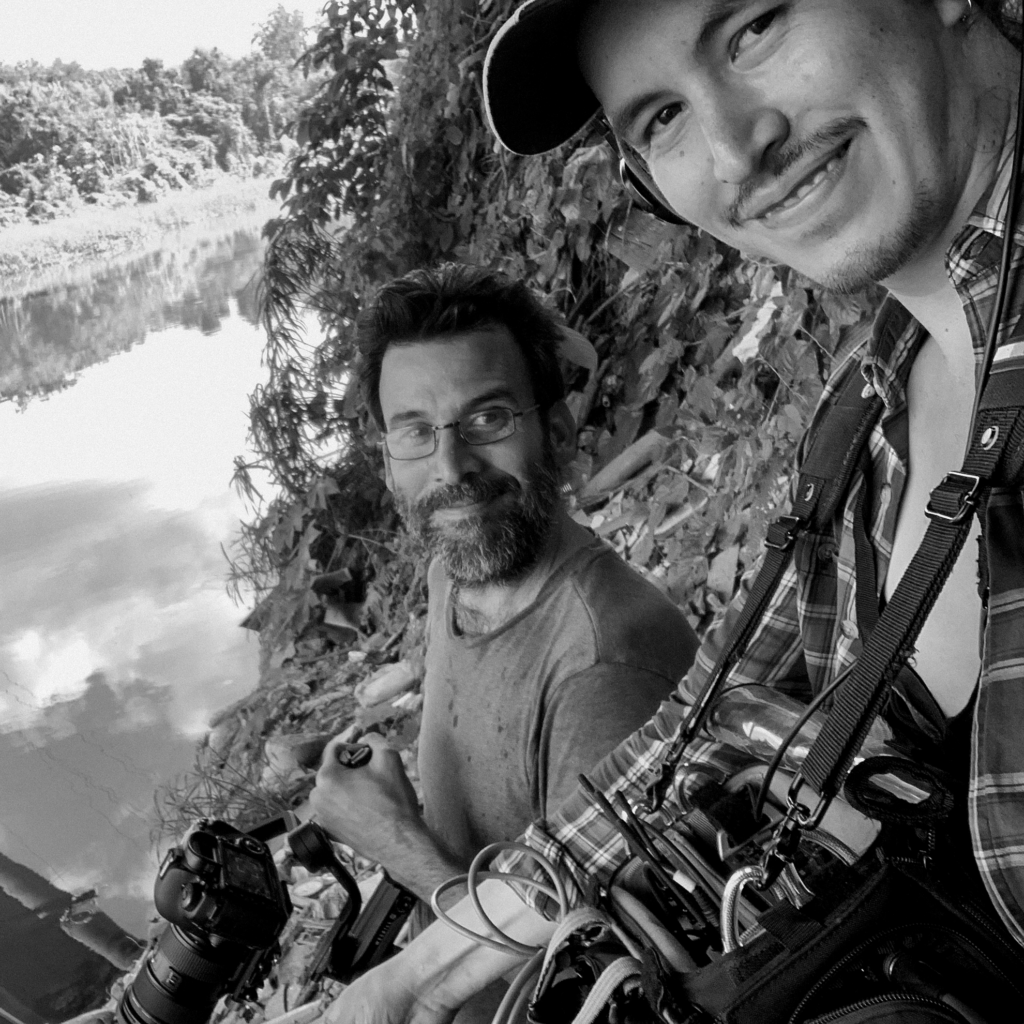
Behind the scenes with DP Jaime Guerra during the filming of Yaque, 2019.
Angel Alonso Sarmiento reviewing location sound equipment with students. Photo by Jesús Bermúdez, EICTV (2025).
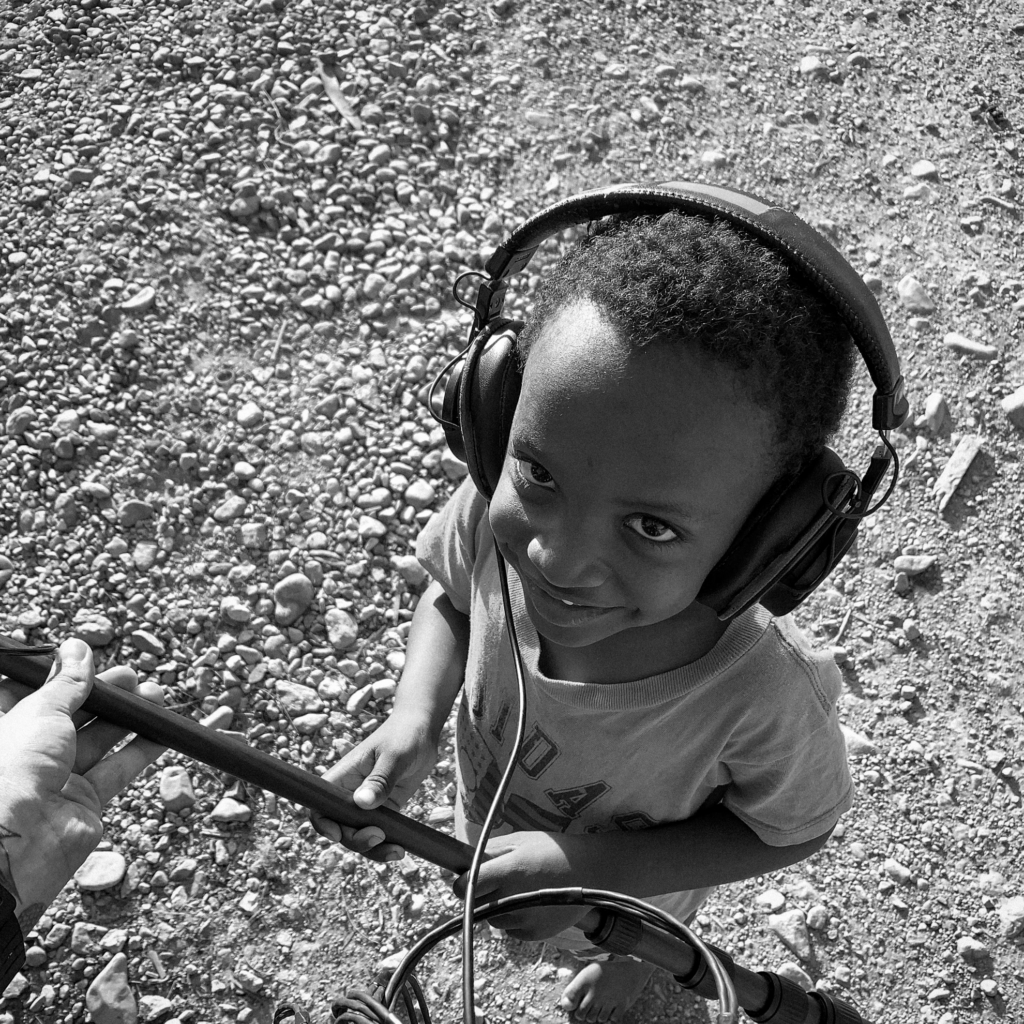
Behind the scenes: A young listener enjoying cinematic sound on the set of Yaque, 2019.
Post-production that accompanies the project — not one that receives it at the end.
I join the post-production process to accompany the project from the cut: coordinating dialogue editing, sound design, effects, and atmospheres, through to the final mix in stereo, 5.1, 7.1, or Dolby Atmos.
When I come on as supervisor, the goal is for every sound decision to connect with the film’s narrative intention — not just to resolve things technically, but to build. That requires reading the cut with time, talking with the director, and bringing editorial as well as technical judgment.
I have access to a 7.1 mixing room and Pro Tools Ultimate in Bogotá, which allows me to take on projects with the necessary infrastructure without depending on third parties for critical stages.
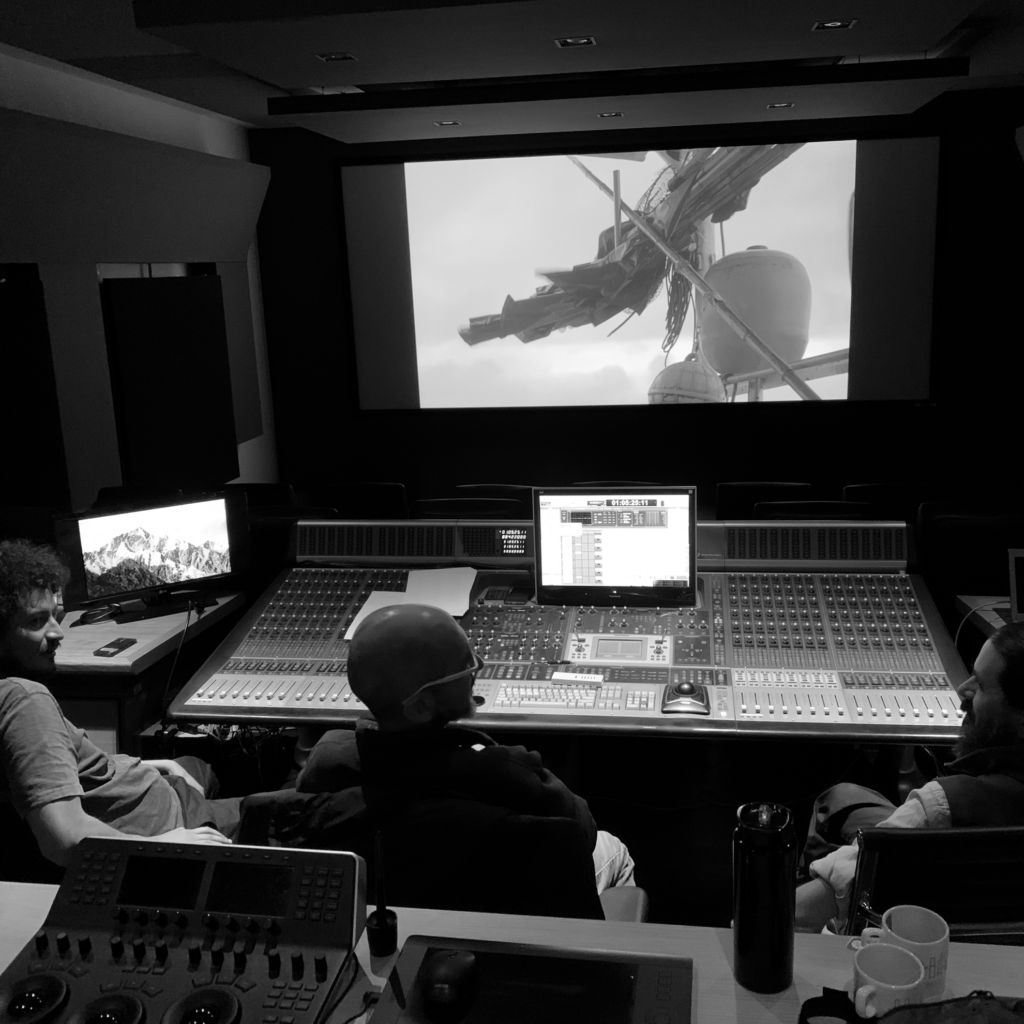
Behind the scenes during the final mix of Altamar at Cinecolor. From left to right: Homer Mora, Jose Valenzuela, and Director Ernesto Jara.
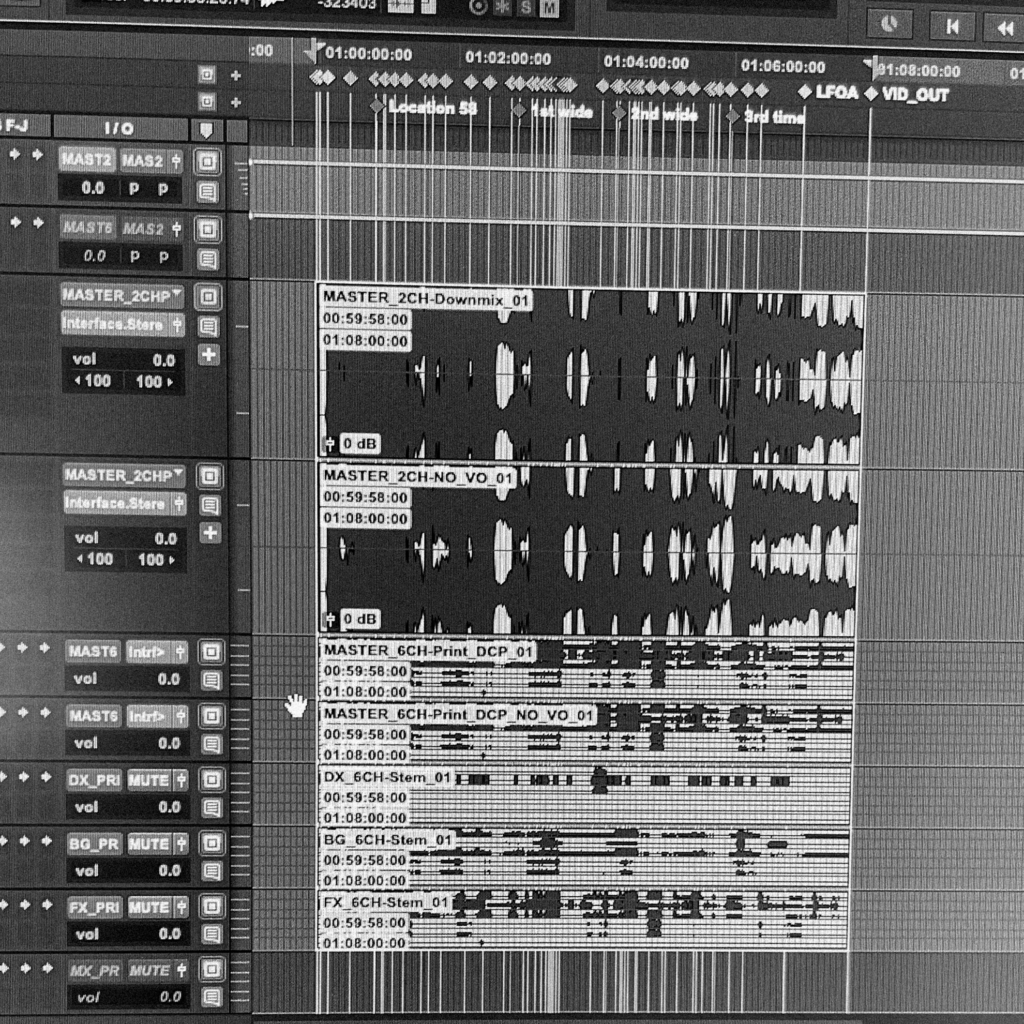
Pro Tools Ultimate session showing the final mix prints and deliverables for an international cinematic project.
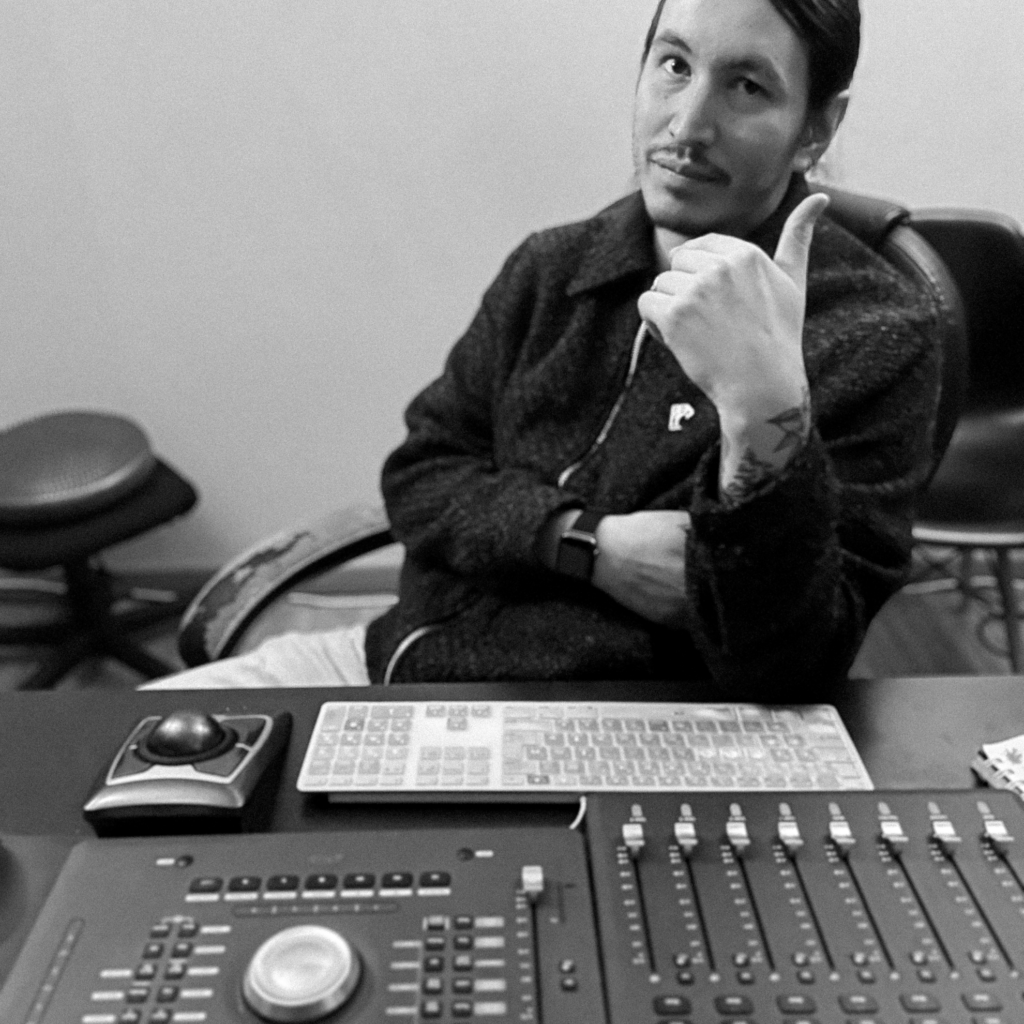
Final mix verification at STEMS Group studio. Quality control session using Avid S1 and Pro Tools Control surfaces.
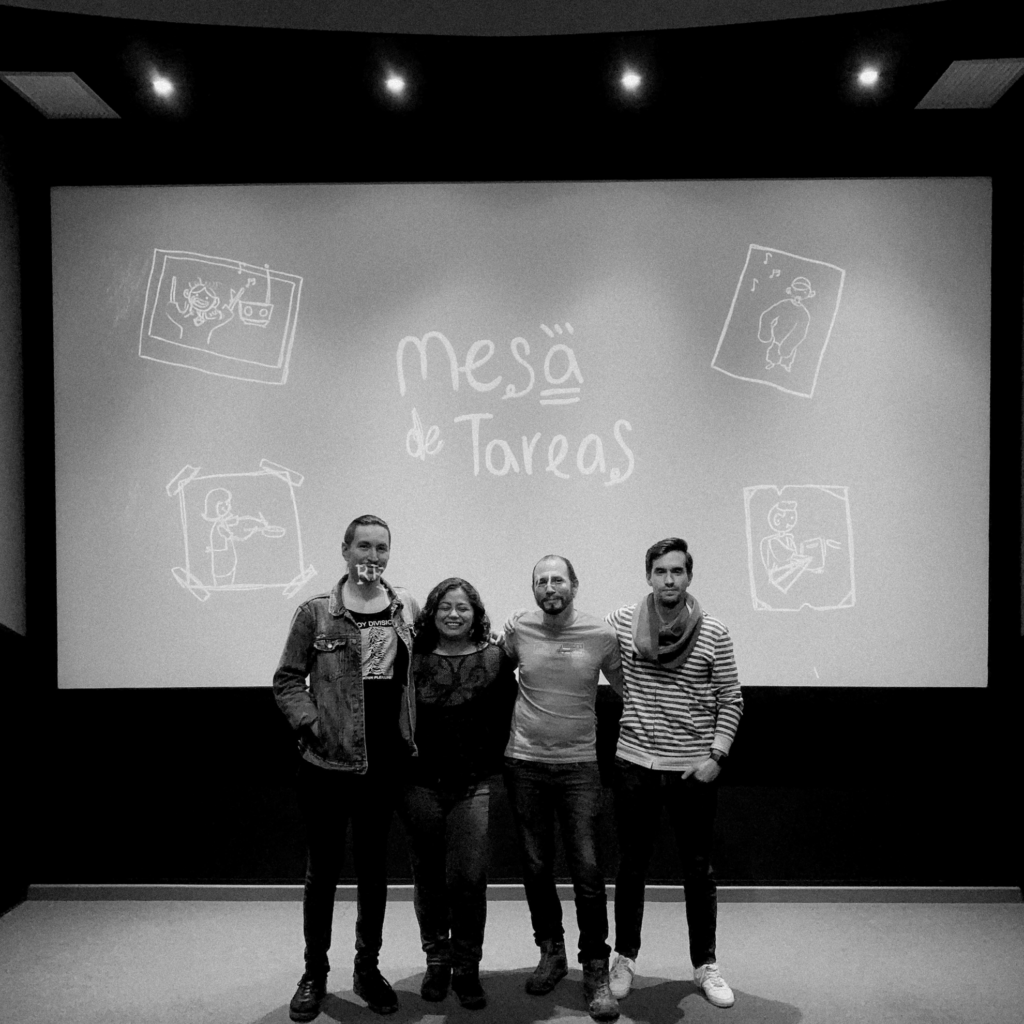
Wrapping up the final mix for Mesa de Tareas (2020) at Clap Studios. From left to right: Angel Alonso (Sound Design), Paola Rey (Director), Camilo Monroy (Production Sound), and Sebastián Alzate (Mixer).
Previous slide
Next slide
03 — Sound Direction
One consistent vision from set through post.
On projects that allow for it, I take on sound direction: responsibility for the sound department from pre-production through delivery, coordinating set work with the post-production vision from the start.
This means being in pre-production conversations, defining the recording strategy with the director, anticipating post-production problems before they happen on set, and ensuring coherence between what enters the edit and what comes out in the final mix.
It’s the way of working that produces the best results — and also the one that requires the most trust between the director and the sound team from the beginning.
Lead sound analysis during a masterclass at EICTV, 2025.
04 — How I work
Regardless of the service, some things stay constant.
Conversation before the budget
Before any number I need to understand the project: stage, format, team, intention. The budget comes out of that conversation, not the other way around.
Rates by project
Production sound has market references I can share. Post-production is quoted according to the material, delivery format, and scope of work.
Working in a network when the project calls for it
I have regular collaborators in Colombia and Dominican Republic. When production requires it, I can put together a complete team without losing the thread of criteria.
Present throughout the process
I don’t deliver and disappear. If I take on supervision or sound direction, I’m available for the conversations that come up during the edit.
If your project is still in early stages and you’re not sure yet what you need, we can talk about that too — sometimes that’s the most useful conversation.